Standardized LED Emergency Lights with Battery Backup
Maintenance Protocol
The Commissioning Saturation Charge (IEC 60598-2-22)
Before a newly installed LED emergency lights with battery backup, or replacement battery pack is certified for occupancy, it must undergo an uninterrupted 24-hour (LiFePO4 / NiMH) or 48-hour (NiCd / SLA) continuous AC mains charge. Executing a test prior to this saturation benchmark invalidates the driver’s internal baseline calibration and will log a false inspection failure.
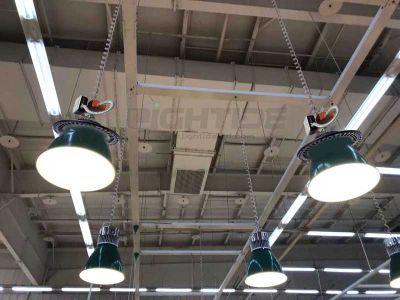
- Regular Visual Inspections for LED emergency lights with battery backup:
- Check for Physical Damage:
Inspect the commercial emergency lights with battery backup for any signs of damage, such as cracks in the housing, broken lenses, or corrosion.
- Verify Mounting Stability:
Ensure that the fixtures are securely mounted and that there are no loose components.
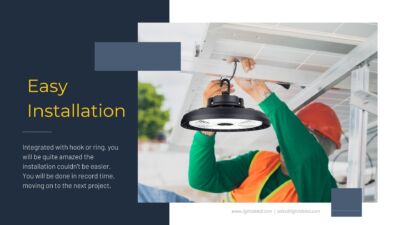
2. Monthly Functional Testing:
- Test Emergency Functionality:
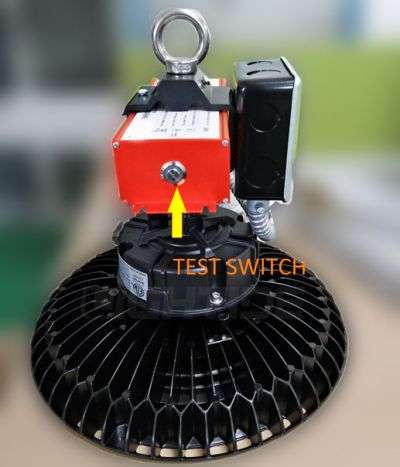
Conduct monthly tests by pressing the test button or simulating a power outage to ensure the emergency lighting battery backup activates correctly.
- Check Light Output:
Observe the brightness of LED emergency lighting during tests to confirm that it meets the required illumination levels.
- The Mandate: Isolate primary AC mains power for a minimum of 30 seconds.
2. The Technical Verification: Technicians must verify the emergency driver’s transfer switch engages in <=0.5 seconds. Visually inspect the battery casing for thermal distortion or electrolyte weeping, check the harness connectors for pin-oxidation, and verify the status indicator resets to a solid green charging state upon grid restoration.
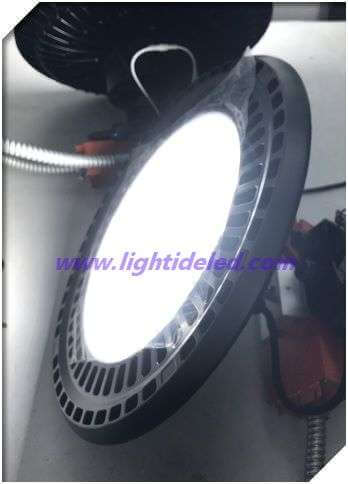
3. Annual Full System Tests:
3. Annual Full System Tests:
- Extended Duration Testing:
Full Test: Perform a full test of the emergency battery backup system at least once a year, simulating a power failure to verify that led light fixtures with emergency backup operate for the required duration (typically 90 minutes).
The Mandate: Isolate AC supply for the fixture’s entire certified duration (90 minutes for UL 924; 180 minutes for designated CE frameworks).
The Technical Verification: A test does not pass simply because the LED stays illuminated. At the final minute of the test window (Minute 90 or 180), the luminaire must still deliver >=60% of its initial emergency lumen rating, maintaining the legally required>= 1.0 foot-candle (10.8 lux) average along the path of egress. If battery voltage sags below the Low Voltage Disconnect (LVD) threshold before the timer expires, the unit is legally condemned.
- Document Results:
Record the results of these tests for compliance and safety audits.
4. LED emergency light battery backup Maintenance:
- Inspect Battery Condition:
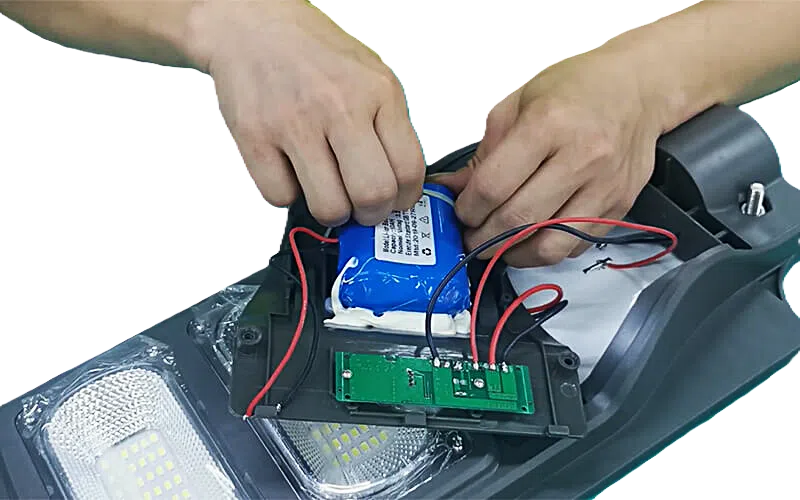
Regularly check the emergency lighting battery backup for signs of wear, such as swelling, leakage, or corrosion on terminals.
- Replace Batteries as Needed:
Be aware of the expected lifespan of the batteries (usually 3-5 years). Schedule replacements based on the manufacturer’s recommendations or if performance issues are noted.
5. Cleaning and Upkeep:
- Dust and Dirt Removal:
Clean led light fixtures with emergency backup regularly to remove dust, dirt, and debris that can obstruct light output. Use a soft cloth and mild detergent if necessary.
- Lens Inspection and Cleaning:
Inspect the lens for any scratches or discoloration that could affect light output. Clean the lens to maintain optimal brightness and replace it if damaged.
6. Electrical Connection Checks:
- Inspect Wiring and Connections:
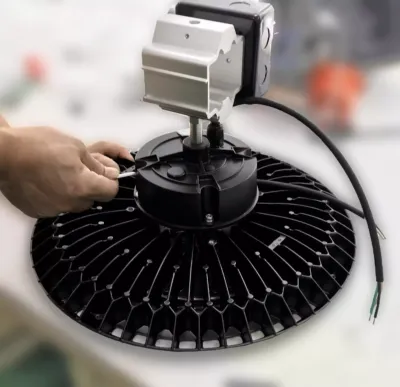
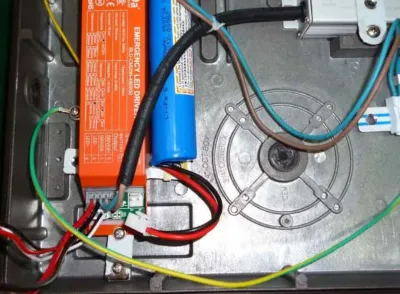
Periodically check the wiring and electrical connections for signs of wear, corrosion, or loose connections. Tighten any loose connections as needed.
- Grounding Verification:
Ensure that the grounding connections are intact and functioning to prevent electrical hazards.
7. Documentation and Record Keeping:
- Maintain Maintenance Logs:
Keep detailed records of all maintenance activities, tests, and inspections performed on the emergency lighting system.
- Compliance Documentation:
Retain records of compliance with local codes and standards, including testing results and any maintenance performed.

8. Professional Inspections for LED emergency lights with battery backup
8. Professional Inspections for LED emergency lights with battery backup
- Schedule Periodic Professional Assessments:
- Hard Chemical Replacement Schedules (IEEE 1184 Guidelines):
| Battery Chemistry | Mandatory Replacement Cap | Primary Degradation Marker |
|---|---|---|
| Sealed Lead-Acid (SLA) | Every 3 to 4 Years | High internal plate sulfation |
| Nickel-Cadmium (NiCd) | Every 4 to 5 Years | Voltage depression (Memory effect) |
| Lithium Iron Phosphate (LiFePO4) | Every 7 to 10 Years | Capacity drop below 80% nominal mAh |

Conclusion
Regular maintenance of emergency battery backup lights is crucial for ensuring their reliability and effectiveness during emergencies. By adhering to these key maintenance tasks, you can help ensure that your emergency lighting system remains in optimal working condition, providing safety and security when needed. Always refer to the manufacturer’s guidelines for specific maintenance recommendations tailored to the product you are using.
▪ Similar Guide
Invest in peace of mind and uninterrupted operations with our
led emergency lights with battery backup
Lightide LED commercial emergency lighting fixtures are the perfect solution for a variety of industrial settings, including warehouses, factories, production lines, and more. Invest in peace of mind, safety, and energy efficiency.
Contact us today to learn more about upgrading your industrial space with superior LED commercial emergency lighting!