Emergency lights are crucial safety features in buildings, ensuring visibility and guidance during power outages or emergencies. However, like any electrical system, they can sometimes fail. Understanding the common causes of these failures can help in maintaining their reliability and ensuring safety. Here are some typical reasons why emergency lights might not function as expected:
Similar Guide:
2. Faulty Wiring in LED Emergency Lights
Improper installation or deteriorating wiring can lead to electrical failures. Corrosion, loose connections, or damaged wires can interrupt the power supply to the emergency lights, preventing them from activating during an outage.
Our engineers will guide you to installation and wire all the connection properly for your canopy lighting and wall pack lighting according your request.

3. Lack of Maintenance
Maintaining commercial emergency lighting batteries is not a matter of visual guesswork; it is governed by strict statutory testing intervals under UL 924,NFPA 101, OSHA, IBC, and IEC 62034. To guarantee life-safety compliance and maximize battery cycle life, facility managers must adhere to a strict three-tier maintenance regimen
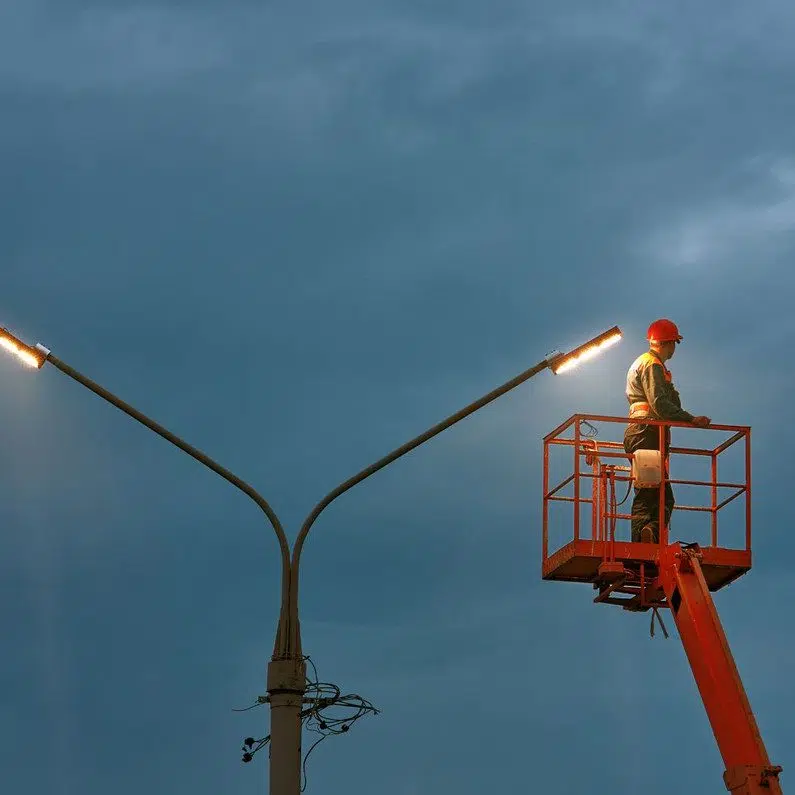
Neglecting regular maintenance checks can lead to unnoticed issues that eventually cause failure. Dust and dirt accumulation, for instance, can affect the performance of light fixtures. Scheduled inspections and cleaning are crucial to keep the system in optimal condition.
4. Environmental Factors
Extreme temperatures, humidity, and exposure to elements can affect the performance of emergency lights.
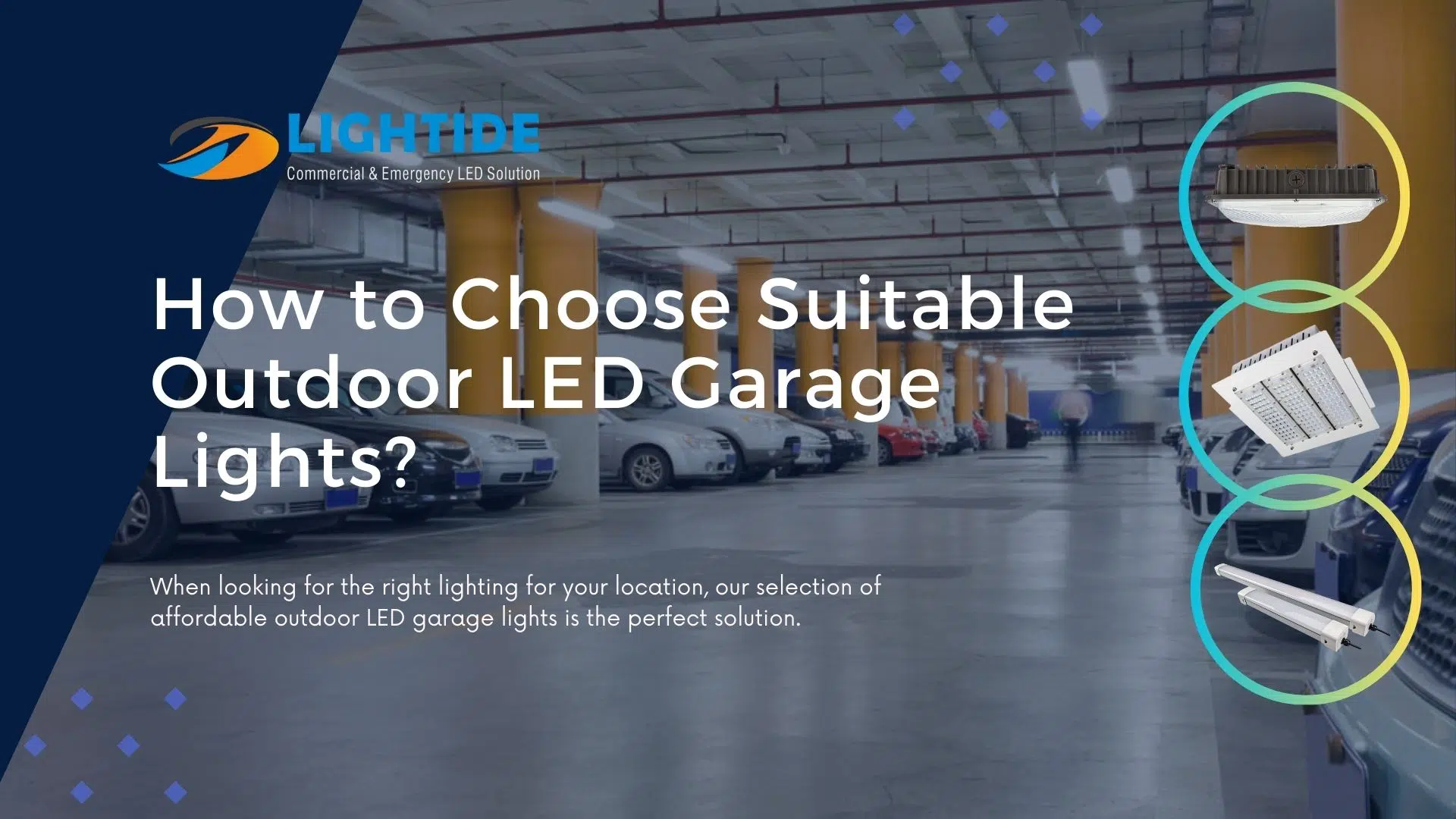
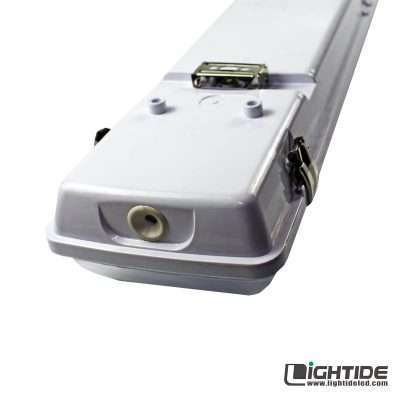
To protect your facility’s safety compliance and eliminate the constant replacement costs of fried batteries, Lightide LED Vapor Tight Lights Engineered for high-humidity environments, car washes, and heavy-industrial processing plants, our vapor-tight fixtures feature fully sealed, IP65-rated housings. This impermeable barrier entirely blocks moisture, dust, and corrosive vapors from reaching the internal components, permanently eliminating the risk of water ingress and electrical shorts.

5. Uncertified Battery
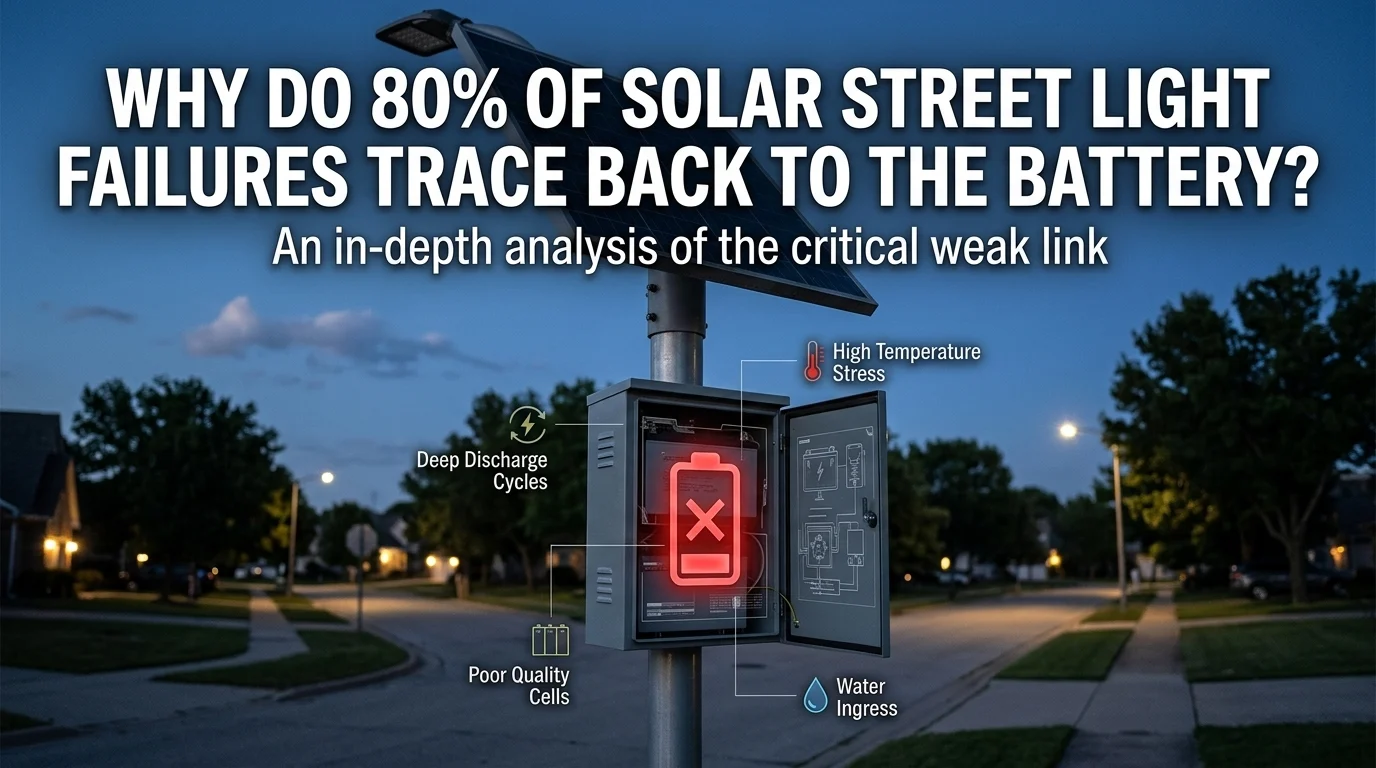
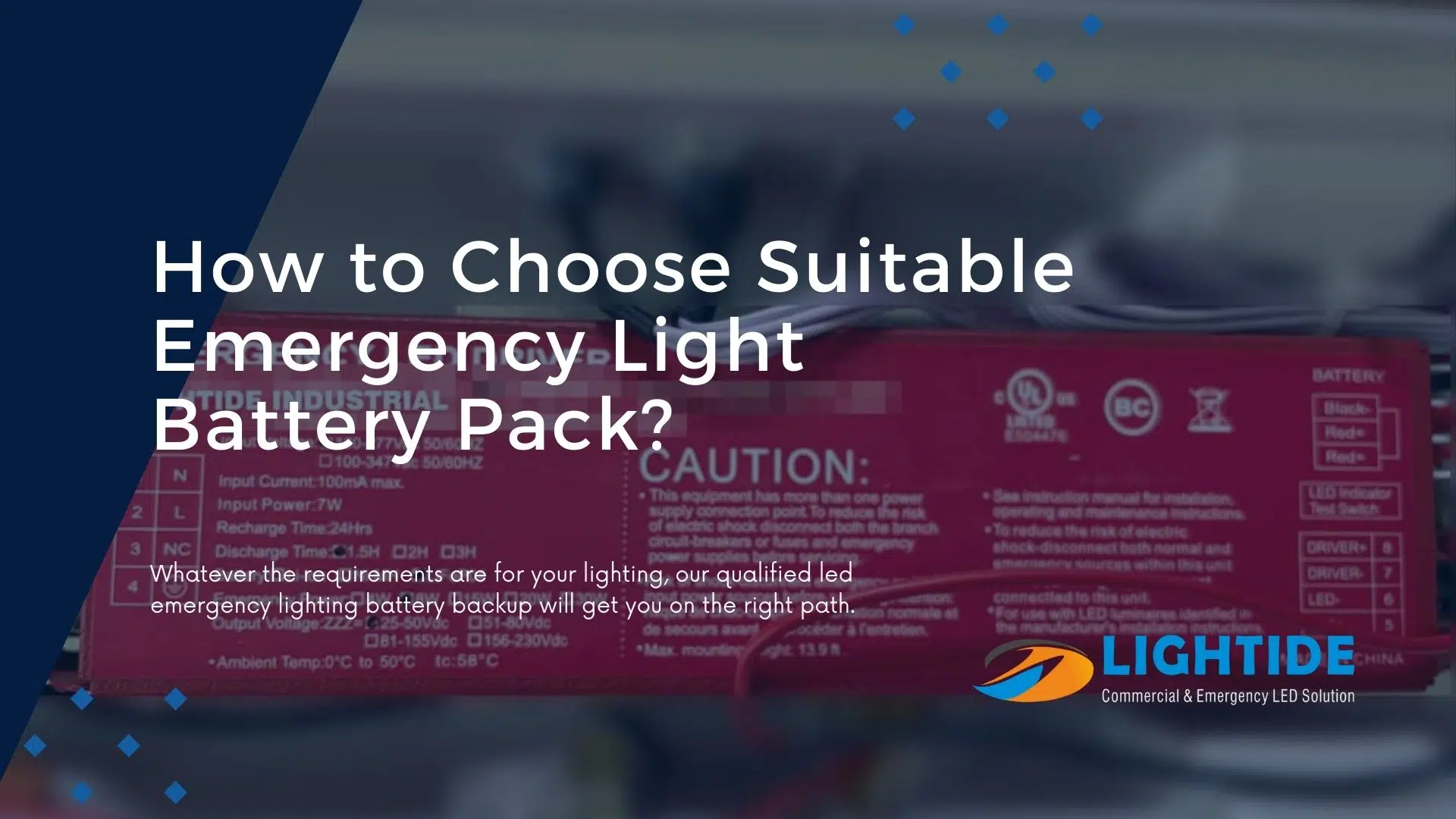
A common failure mode in budget B2B procurement is specifying luminaires with unverified, non-certified battery. While LED commercial lights might carry general CE or UL electrical safety marks, the internal emergency battery pack and driver must be independently verified to sustain the full 90 to 180-minute load profile.
Uncertified battery often utilize inflated capacity ratings on their spec sheets. Under real commercial load testing, internal voltage sags rapidly, dimming the LED array below code-compliant foot-candle levels well before the 180-minute mark.
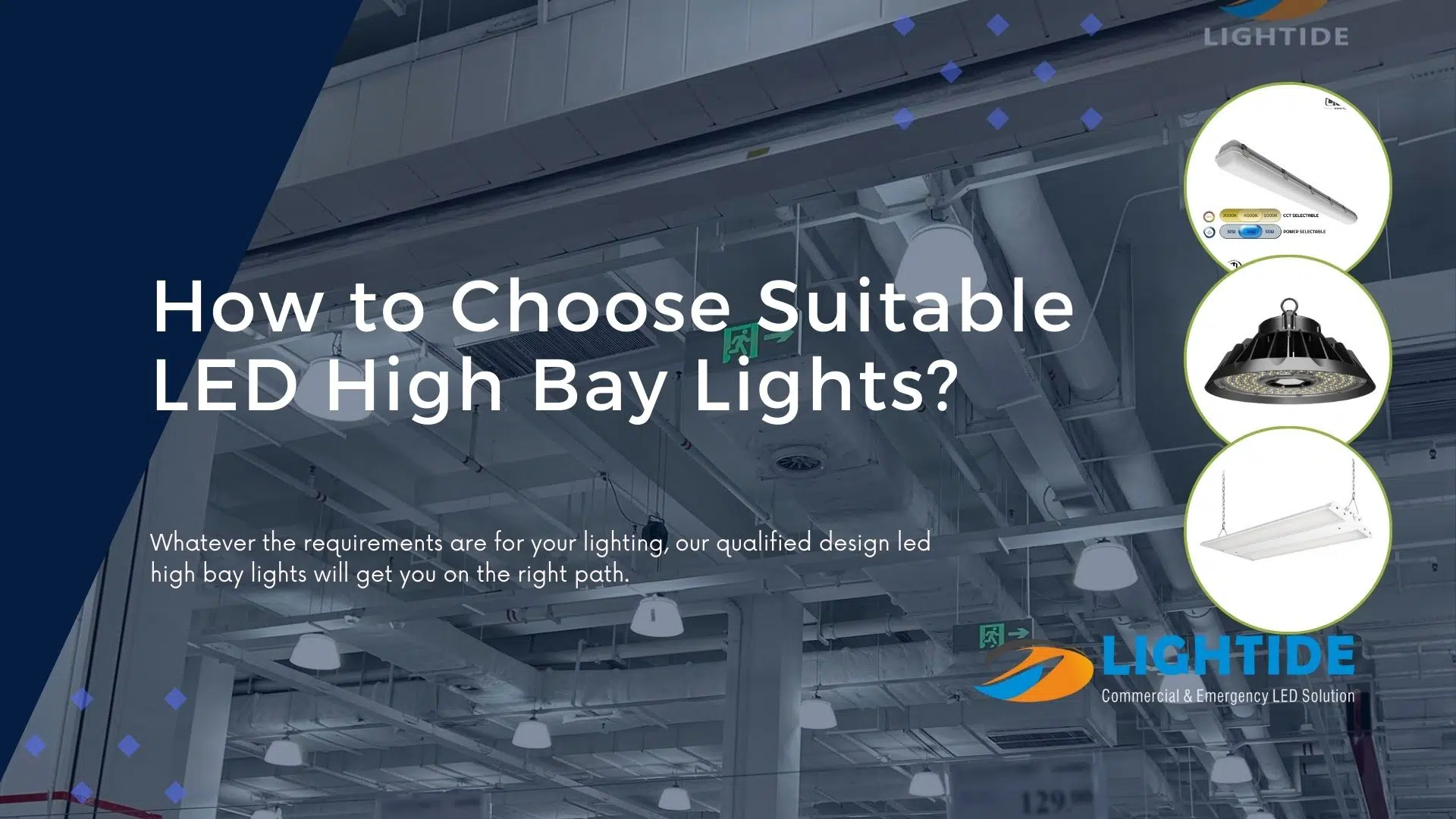
Our emergency battery used for LED vapor tight lights, high bay led lights are approved by UL & CE coming with a 5-year warranty.
Understanding Common Causes of Failure in LED Emergency Lights
In conclusion, while emergency lights are designed to be reliable in critical situations, they are not immune to failure. Regular maintenance, proper installation, and adherence to testing protocols are key to ensuring these systems work when needed most. Building managers and owners should prioritize these aspects to maintain a safe environment for all occupants. By addressing these common causes of failure proactively, the reliability of emergency lighting systems can be significantly enhanced.
To prevent these issues and ensure the reliable operation of your LED emergency lights, it’s essential to:
Illuminate Your Future with Quality LED Emergency Lights
Contact us today to learn more about our commercial LED power failure emergency lights and how we can help you choose the right lights for your needs.
For any kind of quiries, Please email
sales@lightideled.com
Emergency Lighting Battery Backup
Troubleshooting